
Key Differences Between a Basic Facial and a Deep Cleansing Facial

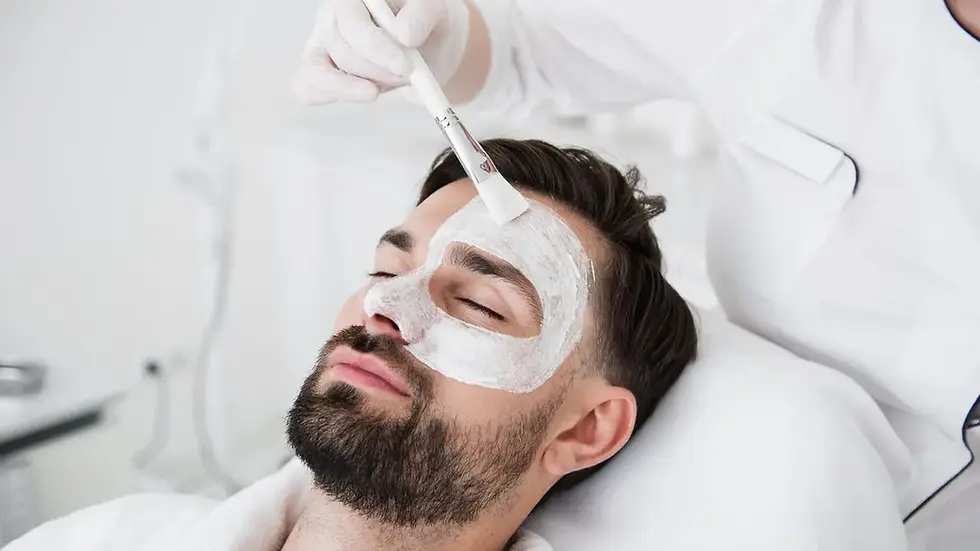
If your skin still feels oily, congested, or dull right after a facial, you probably got the wrong one. Not all facials do the same job, and a deep cleansing facial works very differently from a basic facial. Knowing the difference helps you pick the treatment your skin actually needs instead of paying for one that just feels relaxing.
This guide explains what each facial involves, who benefits most from a deep cleansing facial, and how to decide which one fits your skin.
What Is a Basic Facial?
A basic facial is a light, general skincare treatment. It's built around comfort and maintenance, not intense correction.
A typical basic facial includes:
Gentle cleansing
Light steam
A relaxing massage
A hydrating mask
Moisturizer application
There's minimal extraction, if any. The goal is to refresh the skin, boost circulation, and leave you feeling relaxed. It's a good monthly option if your skin is already in decent shape and you just want upkeep.
What Is a Deep Cleansing Facial?
A deep cleansing facial goes further. It targets clogged pores, built-up oil, dead skin cells, and impurities sitting below the surface that a basic facial doesn't touch.
Process involves during a deep cleansing facial:
Double cleansing to remove makeup, sunscreen, and surface oil
Skin analysis to check pore congestion and oil levels
Steam to open pores and soften debris
Exfoliation, often with enzymes or a scrub, to lift dead skin
Extractions, done manually to clear blackheads and whiteheads
A targeted mask, usually clay or charcoal, to draw out remaining impurities
Calming serum and moisturizer to balance the skin afterward
Because extractions and exfoliation are involved, this treatment works on a deeper level than a basic facial. It's built to solve a specific problem, not just refresh the skin.
You're a good prospect if you have:
Persistent blackheads or clogged pores
Oily or combination skin
Dull skin from dead cell buildup
Occasional breakouts tied to congestion
Skin that feels rough or bumpy to the touch
This is also one of the most requested men's facial treatment options, since men's skin tends to produce more oil due to larger pores and thicker skin. A basic facial often isn't enough to manage that oil buildup, which is why a basic facial for men is usually paired with, or upgraded to, deep cleansing every few weeks.
Deep Cleansing Facial Benefits
A proper deep cleansing session does more than just clear pores. The main deep cleansing facial benefits:
Reduced blackheads and clogged pores through manual extraction
Better product absorption, since dead skin no longer blocks your skincare
Fewer breakouts from removing trapped oil and bacteria
Improved texture, thanks to proper skin exfoliation
A more even, brighter tone once buildup is cleared away
These results build over repeated sessions. One treatment helps, but consistent visits of around every four to six weeks keep pores clear long-term.
Is a Deep Cleansing Facial Good for Oily Skin?
A facial treatment for oily skin needs more than surface hydration. Oily skin produces excess sebum that mixes with dead skin cells and clogs pores fast. A basic facial's light cleanse doesn't remove that buildup.
A pore cleansing facial with proper extractions and exfoliation is far more effective here. It doesn't just mask the oil temporarily, it clears out what's actually causing the congestion.
If you deal with facial for clogged pores concerns specifically around the nose, chin, and forehead (the classic T-zone), deep cleansing targets exactly those areas.
Which One Should You Choose?
Ask yourself two questions before booking:
Do you have visible congestion, blackheads, or oily patches? Choose deep cleansing.
Is your skin already balanced and you just want to relax and maintain it? A basic facial is enough.
Many skincare routines actually use both. A basic facial monthly for upkeep, with a deep cleansing facial every one to two months to reset clogged pores and control oil buildup.
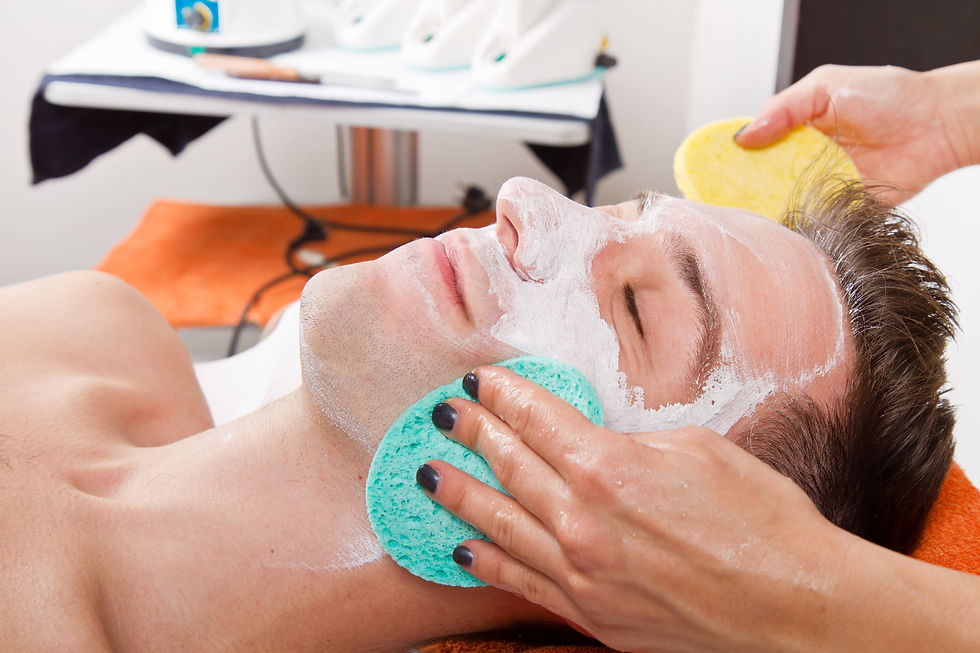
If you're searching for a solid men's skincare facial guide or comparing facial treatment Al Ain options, look for a place that offers both treatments and can recommend one based on an actual skin assessment, not just what's cheapest or fastest.
Sum Up:
The real difference between a professional facial vs regular facial experience often comes down to depth. A basic facial soothes and refreshes. A deep cleansing facial actually clears out what's sitting in your pores.
If you're dealing with oiliness, clogged pores, or rough texture, deep cleansing is worth the extra time. If your skin is already balanced, a basic facial keeps it that way.
When in doubt, get a skin analysis first. That's the only way to know which treatment will actually move the needle for your skin.
FAQS
What's the main difference between a basic facial and a deep cleansing facial?
A basic facial focuses on relaxation and light maintenance, while a deep cleansing facial targets clogged pores and built-up oil.
How often should I get a deep cleansing facial?
Most estheticians recommend every four to six weeks for oily or congested skin.
Does a deep cleansing facial hurt?
Extractions can feel like brief pinching or pressure, especially around clogged areas.
Can men get a deep cleansing facial too?
Men's skin tends to produce more oil due to thicker skin and larger pores, which makes this treatment especially useful.
Will a deep cleansing facial help with blackheads?
Blackheads form from oil and dead skin trapped in pores, which is exactly what this treatment removes.
Is a deep cleansing facial better for oily or dry skin?
Dry or sensitive skin usually does better with a gentler, more hydrating approach instead.


Comments